

Teaching Turn-Taking and Conversational Skills: Effective Strategies and Activities for Early Childhood Development
Turn-taking and conversational skills form the foundation of early social interaction. They strengthen communication, emotional regulation, and cooperation. Turn-taking games and structured conversational activities give children practical opportunities to practise engaging with peers. This article outlines strategies and activities—covering the role of turn-taking, role‑play, and listening—and explains how parents can support skill development at home.
What Are Turn-Taking Games for Young Children and Why Are They Important?
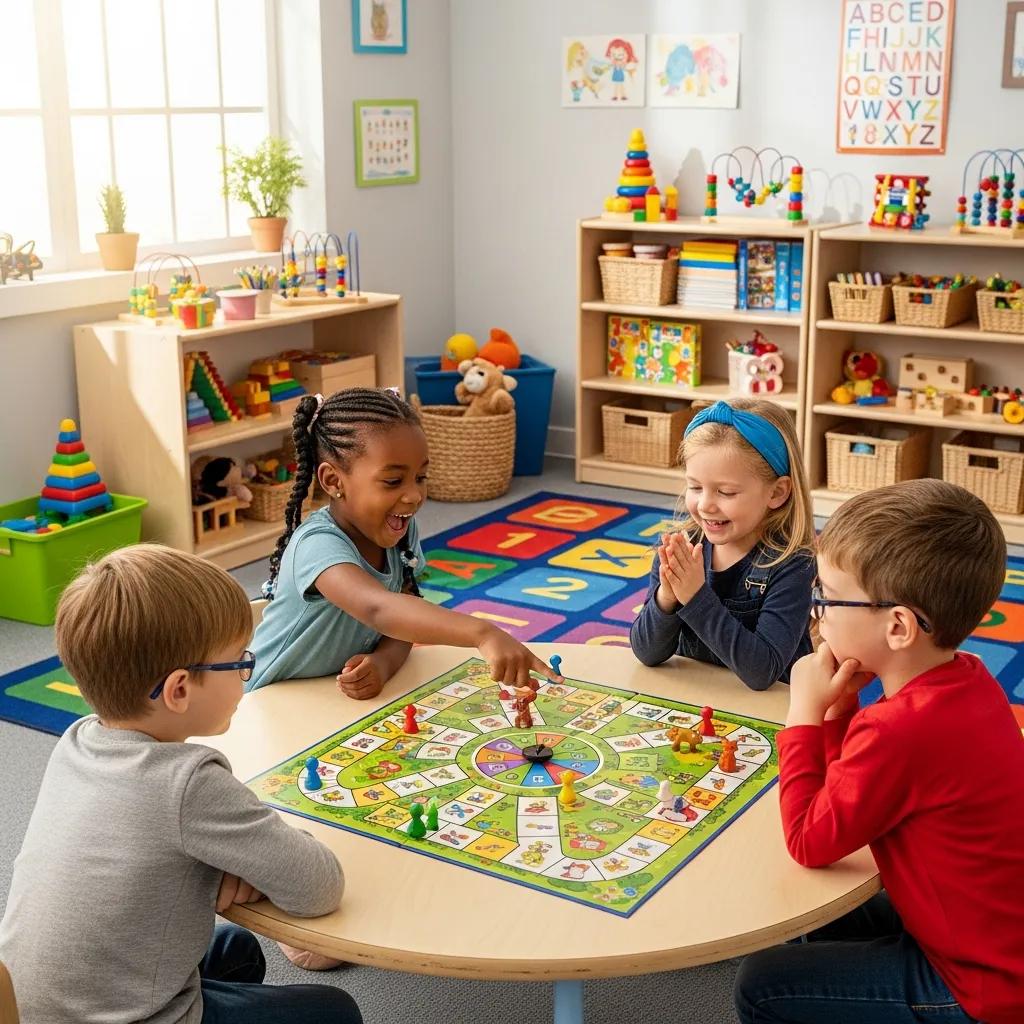
Turn-taking games are structured activities that encourage sharing and cooperation. They teach children to wait for their turn and to respect others’ chances to speak or act. Through these games, children build emotion regulation, conflict‑resolution skills, and clearer communication.
Integrating turn-taking games into early education improves peer interaction. Games such as “Simon Says” and “Duck, Duck, Goose” pair play with practice in sharing and cooperation. Chroma Early Start highlights these activities across its developmental programs for children aged 6 weeks to 12 years in Metro Atlanta.
How Do Turn-Taking Activities Support Social Skills Development in Children?
Turn-taking activities offer repeated practice in sharing and cooperating—core social skills. Clinicians use them in structured settings, including Applied Behavior Analysis (ABA) therapy, where immediate feedback helps children adopt positive behaviours. Through these exercises, children learn to read social cues, consider others’ perspectives, and develop empathy.
Research supports targeted interventions that improve turn‑taking and reduce interruptions among young children.
Teaching Turn-Taking & Avoiding Interruptions in Young Children
This study evaluated turn‑taking skills in young children with disabilities and taught children to repair, revise, and avoid interruptions or overlaps.
Promoting turn-taking skills in early childhood therapy children with disabilities: The effects of a peer-based social communication intervention, 2011
Activities can be adapted for different ages so every child benefits. Younger children use short‑turn games with minimal waiting; older children engage in more complex tasks that require strategic thinking and collaboration.
Which Age-Appropriate Turn-Taking Games Enhance Early Communication?
Choose engaging, developmentally appropriate turn‑taking games that match children’s skills and attention spans. The following examples support early communication:
- “Red Light, Green Light”: This game encourages children to listen carefully and follow instructions, promoting both turn-taking and communication skills.
- “Musical Chairs”: As children move around chairs while music plays, they learn to wait for their turn and respond to social cues.
- “Pass the Ball”: In this game, children pass a ball while taking turns to speak or share something about themselves, fostering verbal communication.
These activities make learning enjoyable while providing safe, structured opportunities for children to practise conversational turns.
How Can Role-Playing Exercises Improve Kids’ Conversational Skills?

Role‑playing offers structured, low‑risk practice of conversational skills. By simulating everyday situations, children practise expressing themselves, listening actively, and responding appropriately, which builds communicative confidence.
Research shows role‑playing contributes to young children’ social‑emotional development.
Role-Playing for Early Childhood Therapy Social-Emotional Development
Effective role playing provides rich, enjoyable experiences that support social‑emotional growth. This literature review examines the influence of role‑playing methods on early childhood therapy children’s social‑emotional development.
The effect of role playing methods on social-emotional development in early childhood therapy children, M Wirahandayani, 2023
Role‑play also promotes empathy by asking children to adopt others’ perspectives during dialogue. This practice supports conflict resolution and a deeper understanding of social interaction, making role‑play a valuable part of pediatric therapy.
What Are Effective Role-Playing Activities for Teaching Communication?
Several role‑play formats effectively teach communication skills. Examples include:
- “Pretend Play”: Children can engage in imaginative scenarios, such as playing house or pretending to be doctors, which allows them to practice dialogue and social interactions.
- “Storytelling”: Children can take turns narrating a story, encouraging them to listen and respond to each other’s contributions.
- “Interviewing”: In this activity, children can take turns asking and answering questions, helping them learn how to initiate and maintain conversations.
These exercises strengthen verbal expression, active listening, and turn‑taking—skills essential for effective communication.
How Do Role-Playing Exercises Foster Listening and Speaking Skills?
Active participation in role‑play improves children’s speaking and listening. Children practise articulating ideas clearly and responding to peers in meaningful ways. The turn‑taking inherent in role‑play teaches patience and attentive listening.
Role‑playing also highlights non‑verbal communication—body language and facial expression—which reinforces the verbal message. As children practise these cues, they become more capable of navigating social interactions and building relationships.
What Conversational Skills Activities Best Promote Child Communication Development?
A variety of activities support conversational development by offering regular, guided opportunities to practise verbal skills in a supportive setting.
- “Group Discussions”: Facilitating group discussions on topics of interest allows children to express their opinions and learn to listen to others.
- “Interactive Storytime”: During storytime, children can be encouraged to ask questions and share their thoughts about the story, promoting engagement and dialogue.
- “Social Games”: Games that require verbal interaction, such as charades or Pictionary, can enhance children’s ability to communicate effectively with their peers.
These activities develop verbal skills and foster a sense of community among children, supporting their social‑emotional growth.
Which Interactive Social Games Encourage Verbal Skill Development?
Interactive social games provide playful contexts for practising speaking and listening. The following games are particularly effective:
- “Telephone”: This classic game helps children practice listening and speaking as they pass a message along the line.
- “Guess Who?”: In this game, children ask questions to deduce the identity of a character, promoting critical thinking and conversational skills.
- “Would You Rather?”: This game encourages children to articulate their preferences and engage in discussions about their choices.
These games make practice enjoyable and offer repeated opportunities to develop communication in an interactive context.
How Do Structured Conversational Exercises Build Communication Milestones?
Structured conversational exercises break communication skills into manageable steps and support progression toward specific milestones. They promote peer collaboration and teach turn‑taking and sharing. Clinicians use immediate, targeted feedback to reinforce effective strategies.
For example, activities like “Conversation Circles” give children a clear turn‑taking format to practise active listening and respectful dialogue, both critical for successful communication.
How Can Listening Skills Exercises for Toddlers Enhance Early Communication?
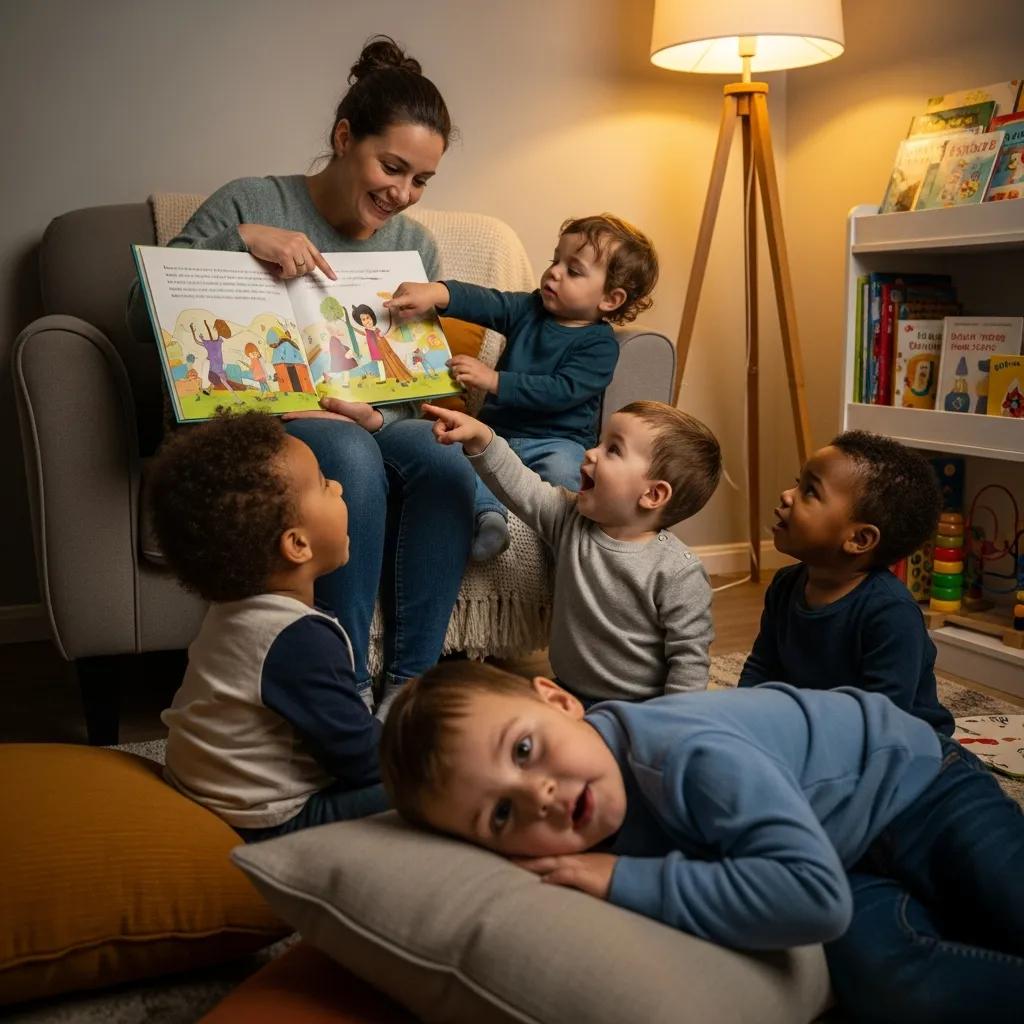
Listening is fundamental to communication. Strengthening toddlers’ listening skills improves attention, comprehension, and their ability to engage with others effectively.
Academic research highlights the important role of early listening activities in developing strong comprehension skills in young children.
Enhancing Young Children’ Listening Comprehension Skills
Listening comprehension is essential for learning and communication. Research indicates that early exposure to listening activities significantly influences skill development in early childhood therapy children, given their rapidly developing cognitive and language capacities.
Exploring metacognitive strategies through storytelling for young children’ listening comprehension skills, M Abdul Malik, 2024
What Are Practical Listening Activities to Improve Attention and Understanding?
Practical activities can strengthen toddlers’ listening and attention. Examples include:
- “Simon Says”: This game requires children to listen carefully to instructions, promoting attention and comprehension.
- “Listening Walks”: Taking walks and encouraging children to identify sounds in their environment helps them develop auditory discrimination.
- “Storytime with Questions”: Reading stories and asking questions about the plot encourages children to listen actively and engage with the content.
These activities enhance listening while creating a foundation for later communication development.
How Does Improving Listening Skills Support Turn-Taking and Social Interaction?
Improved listening directly supports better turn‑taking and social interaction. Active listening helps children recognise social cues and respond appropriately, which leads to smoother peer interactions and stronger relationships.
Listening skills also help children manage group dynamics by learning to wait their turn and respect others’ contributions, fostering an inclusive environment where children feel heard.
What Parent-Child Communication Techniques Support Turn-Taking and Conversational Growth?
Parents play a central role in their children’s communication development. By modelling effective interaction, parents help children learn turn‑taking and conversational skills in everyday contexts.
How Can Parents Model and Reinforce Effective Turn-Taking at Home?
Parents can model turn‑taking through active listening and by encouraging children to express themselves. Practical techniques include:
- Demonstrate Turn-Taking: Engage in conversations where both parent and child take turns speaking, reinforcing the importance of sharing the floor.
- Use Visual Cues: Visual aids, such as a talking stick, can help children understand when it is their turn to speak.
- Establish Routines: Create family discussion times where everyone has an opportunity to share their thoughts, fostering a culture of open communication.
Applying these strategies builds a supportive home environment where children can practise conversational skills regularly.
What Are Common Questions Parents Have About Teaching Conversational Skills?
Parents commonly ask how to teach conversational skills effectively. Typical concerns include:
- How can I improve my child’s communication skills?: Engaging in regular conversations and providing opportunities for practice can significantly enhance communication abilities.
- What techniques can I use to encourage my child to listen?: Activities that require active participation, such as games and storytelling, can help improve listening skills.
- Are there resources available for parents to learn more?: Many educational programs and online resources provide valuable information on teaching conversational skills to children.
Addressing these questions helps parents feel better equipped to support their children’s communication development with confidence.
Frequently Asked Questions
What age is appropriate to start teaching turn-taking skills?
Introduce turn‑taking as early as toddlerhood, around ages 2–3, when children begin to grasp sharing and waiting. Simple turn‑based games work well at this stage. As skills develop, reinforce them with more complex games and structured activities to support social interaction. Early practice establishes a strong foundation.
How can I make turn-taking games more engaging for my child?
Make games engaging by linking them to your child’s interests. Use colourful props, favourite characters, or themed variations to capture attention. Vary activities and offer praise or small rewards to maintain motivation. A playful, interactive atmosphere encourages participation and reinforces turn‑taking.
What are some signs that my child is developing good conversational skills?
Indicators of developing conversational skills include initiating conversations, maintaining eye contact, responding appropriately to questions, taking turns in dialogue, asking relevant follow‑ups, and expressing thoughts clearly during interactions with peers.
How can I support my child in developing empathy through conversation?
Foster empathy by discussing emotions and perspectives, using stories or real situations as examples. Ask open‑ended questions that prompt reflection and use role‑play to let children practise perspective‑taking safely. These approaches build understanding and compassion.
What role does play have in enhancing conversational skills?
Play provides a natural context for practising conversation. Through imaginative play, children negotiate roles, converse, and express feelings. This low‑pressure environment encourages creativity and spontaneity while reinforcing turn‑taking and listening skills.
How can I integrate technology to support my child’s communication development?
Use technology selectively with apps and interactive games that promote storytelling, role‑play, or social interaction. Video calls with family members can offer real conversational practice. Balance screen time with face‑to‑face interaction to support comprehensive communication development.
Conclusion
Teaching turn‑taking and conversational skills supports children’s social and emotional development and strengthens their ability to communicate. Structured activities and games provide a nurturing setting for practice, while parents play a key role in modelling and reinforcing these techniques at home. Discover more resources to support your child’s communication journey today.