

Mastering Behavior Support Strategies
Functional Behavior Assessment (FBA) and behavior plans are essential in early childhood education for children with challenging behavior. They identify underlying causes so parents and clinicians can design targeted interventions that support positive change. Understanding FBA processes and behavior planning improves developmental outcomes. This article explains why FBAs matter, how to develop effective plans, the roles of parents and clinicians, and Metro Atlanta resources that support these efforts.
What is a Functional Behavior Assessment and Why is it Essential?
A Functional Behavior Assessment (FBA) is a systematic process used to determine why a child displays specific behaviors. By analysing the situations in which behaviors occur, teams can identify whether a behavior seeks attention, avoids a task, or meets a sensory need. That insight allows practitioners to design interventions that address root causes rather than only managing symptoms. FBAs provide a structured approach to assessing and supporting children’s behavioural needs in early childhood settings.
How Does an FBA Identify Behavior Functions in Children?
FBAs use direct observation, interviews, and data collection to identify behavior functions. Observations record frequency, duration, and context for targeted behaviors. Standard tools such as the Verbal Behavior Milestones Assessment and Placement Program (VB-MAPP) and the Assessment of Basic Language and Learning Skills (ABLLS-R) assess communication and learning skills that relate to behavior. Understanding context helps teams tailor interventions that are more likely to succeed.
Who Conducts Functional Behavior Assessments and What Are Their Qualifications?
Functional Behavior Assessments are typically conducted by trained professionals, such as Board Certified Behavior Analysts (BCBAs) or special education clinicians with expertise in behavior analysis. These practitioners hold the training and credentials needed to perform thorough assessments and develop appropriate intervention plans. Their expertise ensures assessments are accurate and plans address each child’s identified needs.
How Are Behavior Plans Developed to Support Positive Behavior Change?
Behavior plans are created from the findings of Functional Behavior Assessments. They specify strategies and interventions intended to promote positive behavior. Development involves collaboration between clinicians, parents, and other professionals to ensure the plan fits the child’s needs. Ongoing monitoring and adjustment keep the plan effective over time.
What Are the Key Components of an Effective Behavior Intervention Plan?

An effective behavior intervention plan contains these core elements:
- Goals of the Plan: Clearly defined objectives that outline the desired behavior changes.
- Strategies for Implementation: Specific techniques and interventions that will be used to promote positive behaviors.
- Data Tracking Methods: Systems for monitoring progress and evaluating the effectiveness of the interventions.
Together, these elements form a proactive, structured approach that responds to the child’s needs and supports consistent behavior management.
Can You Provide Examples of Positive Behavior Support Plans?
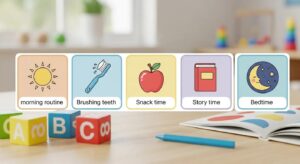
Positive behavior support plans must be tailored to the child’s needs. For example, a child who seeks attention may respond to positive reinforcement for appropriate social behaviours; a child who struggles with transitions may benefit from visual schedules and timers. These examples illustrate why individualised plans are more likely to be both effective and supportive.
What Role Do Parents and Clinicians Play in Behavior Intervention Strategies?
Parents and clinicians must collaborate to develop and implement behavior interventions. Parents provide information about behaviour at home, while clinicians contribute expertise in group setting strategies. This partnership improves consistency across environments and strengthens outcomes for the child.
How Can Parents Collaborate in Creating and Implementing Behavior Plans?
Parents can contribute to creating and carrying out behavior plans by:
- Participating in Workshops: Engaging in training sessions to learn about behavior management techniques.
- Maintaining Communication with Therapists: Regularly discussing their child’s progress and any concerns with professionals involved in the intervention.
- Setting Realistic Goals: Working with clinicians to establish achievable objectives that align with their child’s capabilities.
These joint efforts build a supportive network that promotes sustained behavior change.
What Training and Resources Are Available for Clinicians Supporting Behavior Needs?
Clinicians can access training and resources on behavior management. Professional development often includes workshops, collaboration with therapists, and group setting implementation tools. These opportunities equip clinicians with the skills required to support children exhibiting challenging behavior.
How Does Early Childhood Behavior Support Integrate with Local Resources in Metro Atlanta?
In Metro Atlanta, schools, community organizations, and therapy providers coordinate to form a support network for families and clinicians. This integration helps children receive consistent support both at home and in educational settings.
What Early Learning Programs Support Children with Challenging Behaviors?
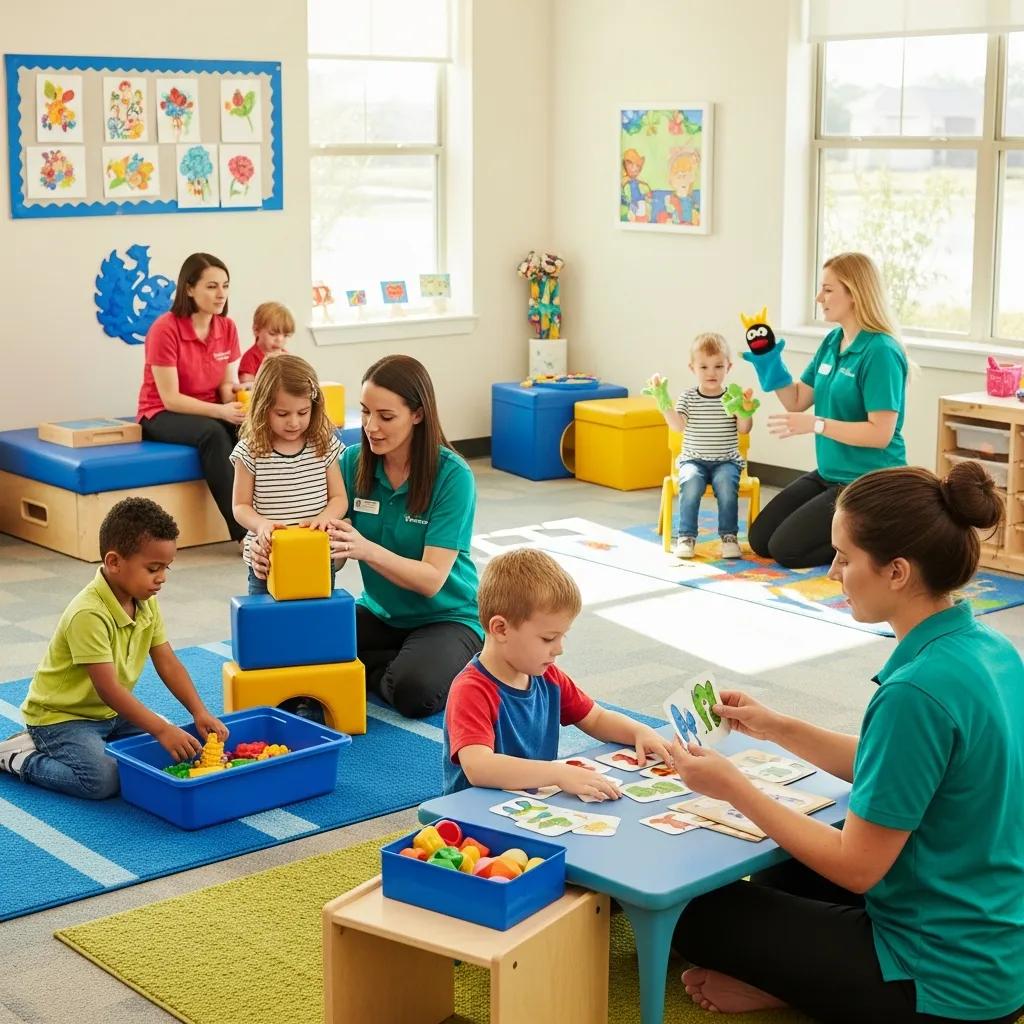
Several pediatric therapy programs in Metro Atlanta support children with challenging behavior, including:
- ABA Therapy: Applied Behavior Analysis (ABA) therapy is a widely recognized approach that uses evidence-based techniques to improve specific behaviors.
- Speech Therapy: This therapy addresses communication challenges that may contribute to behavioral issues.
- Occupational Therapy: Occupational therapy helps children develop the skills needed for daily living and social interactions.
These programs supply targeted supports that help children address behavioral challenges and build necessary skills.
Where Can Families Find Behavior Assessment and Intervention Services in Metro Atlanta?
Families in Metro Atlanta can find assessment and intervention services through:
- Local Schools: Many schools offer resources and support for children with behavioral needs.
- Therapy Centers: Specialized centers provide comprehensive assessments and tailored intervention plans.
- Community Organizations: Various organizations offer workshops and resources for families to better understand and manage challenging behaviors.
These services aim to be accessible and supportive so families have the resources needed to help their child succeed.
Frequently Asked Questions
What are the signs that a child may need a Functional Behavior Assessment?
Consider an FBA when challenging behaviors persist, disrupt learning, or interfere with social interaction. Frequent attention-seeking via negative behaviors, task avoidance, or extreme reactions to change suggest underlying causes that warrant assessment. Early identification and intervention lead to more effective behavior management and better developmental outcomes.
How often should behavior plans be reviewed and updated?
Review behavior plans every 6 to 12 weeks to evaluate effectiveness and update strategies. Ongoing monitoring lets teams track progress and detect changes in the child’s needs. If a child shows limited improvement, review the plan sooner. Joint reviews with parents and clinicians keep strategies relevant and effective.
What role does data collection play in behavior intervention plans?
Data collection provides objective evidence of a child’s progress and the effectiveness of interventions. Recording specific behaviors, their frequency, and context reveals patterns and guides plan adjustments. A data-driven approach ensures interventions match the child’s needs and improves the likelihood of successful outcomes.
Can behavior intervention strategies be applied at home?
Yes. Applying intervention strategies at home ensures consistency and reinforces positive behaviors. Parents can mirror school techniques—such as positive reinforcement and structured routines—and maintain communication with clinicians and therapists to adapt strategies to the home setting.
What are some common misconceptions about Functional Behavior Assessments?
A common misconception is that FBAs are only for severe behavioral issues. In reality, any child showing challenging behaviors can benefit from an FBA. Another myth is that FBAs are punitive; they are diagnostic tools designed to identify causes and guide supportive interventions. Educating families and staff about FBAs encourages their appropriate use in early intervention.
How can community resources enhance behavior support for children?
Community resources extend behavior support by offering services, training, and peer networks. Local organizations often run workshops, provide access to therapy, and coordinate programs that address behavioral needs. These supports help families manage behaviors and ensure children receive coordinated care across settings, improving outcomes.
Conclusion
Implementing Functional Behavior Assessments and individualised behavior plans can improve outcomes for children facing behavioral challenges. By identifying root causes, parents and clinicians can work together to promote positive change and developmental progress. Connecting with Metro Atlanta resources strengthens these efforts by providing tools and professional support. Learn how to collaborate with specialists and access local resources to support your child’s growth.