

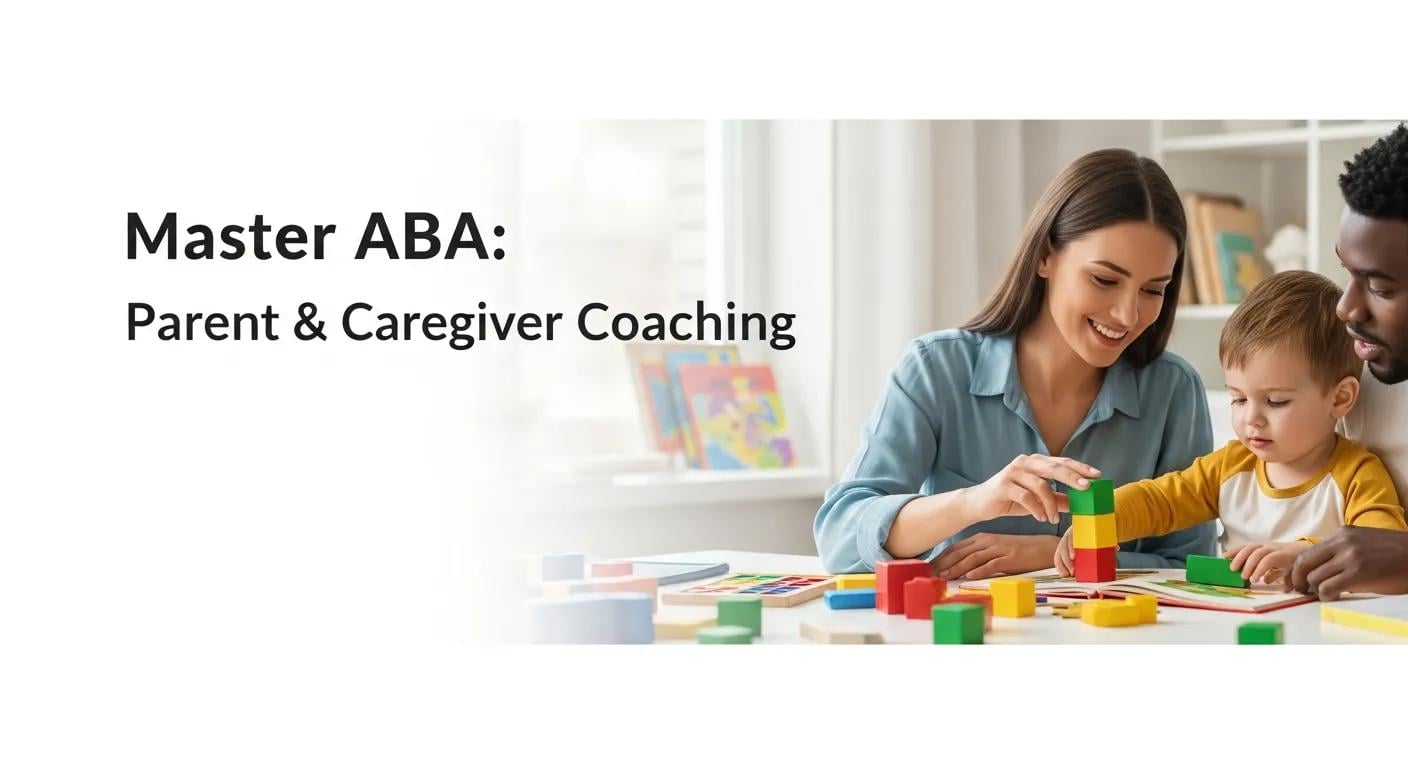
Master ABA: Parent & Caregiver Coaching
Parent training and caregiver coaching in Applied Behavior Analysis (ABA) are essential to support children with developmental needs. This guide outlines the role of ABA parent training, common techniques, and the intake process at Chroma Early Start. Many parents seek clear, evidence-based strategies to advance their child’s development; ABA offers a structured method to drive measurable progress. The article explains how ABA aids early childhood development, the benefits of caregiver coaching, and how to enroll in Metro Atlanta programs.
What is ABA Parent Training and Why is it Essential for Early Intervention?
ABA parent training delivers a structured method to teach parents practical skills for their child’s behavioral and developmental needs. This training is critical for early intervention; it enables parents to use proven strategies that encourage positive behaviour and learning. Understanding ABA principles helps families shape environments that support steady developmental progress.
Researchers have rigorously evaluated these programs to identify the components that most effectively improve parenting practices and child behaviour.
Components of Effective Parent Training Programs
This component analysis used meta-analytic techniques to synthesize the results of 77 published evaluations of parent training programs (i.e., programs that included the active acquisition of parenting skills) to enhance behavior and adjustment in children aged 0–7. Characteristics of program content and delivery method were used to predict effect sizes on measures of parenting behaviors and children’s externalizing behavior.
A meta-analytic review of components associated with parent training program effectiveness, 2008
How Applied Behavior Analysis Supports Early Childhood Development
Applied Behavior Analysis (ABA) uses evidence-based methods to shape behavior in early childhood. Methods like positive reinforcement increase desired actions, and routine data tracking provides measurable outcomes. Tailored interventions address each child’s specific needs so they can make meaningful gains.
What Age Groups Benefit Most from ABA Parent Training?
ABA parent training is especially effective for children aged 18 months to 6 years. Early intervention in this period can alter a child’s developmental trajectory. When parents learn practical tools and strategies, ABA can address behavioral challenges sooner and improve long-term outcomes.
How Does Behavioral Parent Coaching Enhance Caregiver Skills?

Behavioral parent coaching builds caregiver competence through practical instruction and hands-on practice. Coaching refines family routines and empowers parents to lead their child’s learning across home and community settings.
What Techniques are Used in ABA Caregiver Support Programs?
ABA caregiver support programs use targeted methods to strengthen caregiver skills. Common approaches include:
- Positive Reinforcement: Encouraging desired behaviors through rewards.
- Data-Driven Progress Tracking: Monitoring behavior changes to assess effectiveness.
- Naturalistic Environments: Implementing strategies in everyday settings to promote generalization of skills.
Together, these methods equip caregivers to support learning consistently and generalize skills across daily routines.
How to Integrate ABA Strategies into Daily Routines Effectively
Integrating ABA strategies into daily routines is practical and straightforward. Examples include:
- Establishing consistent routines to provide structure.
- Using visual schedules to help children understand expectations.
- Reinforcing positive behaviors immediately to encourage repetition.
Embedding these strategies into daily life helps parents create a predictable, supportive environment that promotes their child’s progress.
What Are the Steps to Enroll in ABA Parent Training Programs in Metro Atlanta?

Enrolling in ABA parent training typically follows a clear sequence of steps. Knowing the process helps parents navigate intake with confidence.
How to Request a Consultation or Intake Inquiry at Chroma Early Start
To request a consultation or inquire about intake at Chroma Early Start, parents can follow these steps:
- Contact Us: Research local ABA providers, including Chroma Early Start.
- Contact Admissions: Reach out via phone or email to express interest in scheduling a tour.
- Visit the Facility: Attend the scheduled tour to learn more about the program and meet the staff.
These steps let parents collect vital information and assess fit before enrolling their child.
What Documentation and Assessments are Required for Intake?
When enrolling in ABA parent training programs, specific documentation and assessments are typically required, including:
- Intake Forms: Basic information about the child and family.
- Assessment Reports: Previous evaluations or diagnoses that inform the training approach.
- Consent Forms: Necessary permissions for participation in the program.
Preparing these documents in advance streamlines intake and helps families start services promptly.
What Evidence Supports the Effectiveness of ABA Therapy Training for Parents?
Multiple studies show that families who participate in ABA parent training achieve measurable improvements in child behavior and skill development.
Research consistently identifies the importance of caregiver training as an evidence-based approach for addressing challenging behaviors in children with autism.
Evidence-Based Caregiver Training for Autistic Children
Effective intervention for children on the autism spectrum who engage in challenging behavior is critical. To ensure meaningful behavior change, caregiver training to support intervention implementation in the natural environment is often required. It is fortunate that both behavioral interventions and caregiver training are considered evidence-based for the reduction of challenging behavior.
Scoping review: caregiver training to reduce challenging behaviors displayed by children on the Autism Spectrum, 2025
What Recent Research Highlights ABA’s Impact on Developmental Outcomes?
Recent studies report that early intervention with ABA can yield meaningful developmental gains, including improved communication, social engagement, and adaptive skills.
Research also examines broader effects of parent training, such as parental well-being and family functioning.
Parent Training Effectiveness for Autism & Parental Stress
Various parent training interventions have been shown to have some effect on the symptoms of children with autism. We carried out a systematic review and meta-analyses to assess effectiveness of parental training for children with autism on their symptoms and parental stress.
The effectiveness of parent training for children with autism spectrum disorder: a systematic review and meta-analyses, S Deb, 2020
How Do Success Stories and Testimonials Reflect Program Benefits?
Family testimonials often describe increased confidence in managing behavior and improvements in family life. These accounts complement research by illustrating real-world benefits of the interventions.
Frequently Asked Questions
What qualifications should I look for in an ABA parent training program?
Look for instructors who are Board Certified Behavior Analysts (BCBAs) or clinicians with extensive ABA experience. Verify the program is evidence-based, follows a structured clinical framework, and offers practical strategies parents can use. Participant reviews and testimonials can help you assess program quality and family support.
How can I measure the progress of my child after ABA training?
Measure progress against the specific behavioral goals set in the program. Use data collection methods—frequency counts, duration measures, or interval recording—to track change over time. Review regular progress reports that summarise skill acquisition and behaviour trends, and keep open communication with your child’s therapist to interpret results.
Are there any costs associated with ABA parent training programs?
Yes. Costs vary by provider, location, and program length. Some insurance plans may cover part of the fees, so check with your insurer. Ask providers about sliding-scale fees or financial assistance programs to help families access services.
What role do parents play in the success of ABA interventions?
Parents are central to success: attending training and applying strategies at home reinforces therapy gains. Practising techniques like positive reinforcement and simple data tracking ensures consistency. Ongoing collaboration with therapists helps tailor the plan to your child’s needs.
How can I find support groups for parents of children in ABA programs?
Start with local ABA providers, who often recommend support groups. Online forums and social media groups focused on autism and ABA can provide peer support. National organisations, such as the Autism Society, and local parent advocacy groups also offer resources and connections.
What should I do if I feel my child is not progressing in ABA therapy?
If progress stalls, raise your concerns with the therapist or program coordinator. Schedule a review to examine current goals and the data, and discuss adjustments to strategies or targets. Ensure the program remains tailored to your child’s needs and that you stay actively involved.
Conclusion
ABA parent training and caregiver coaching equip families with evidence-based tools to support child development and address behavioural challenges. These programs strengthen family routines and parental confidence while improving child outcomes. To take the next step, explore our ABA programs and speak with our team about the best options for your child.