
How to Encourage Early Language Development: Effective Strategies for Toddlers and Infants
Early language development provides the foundation for communication and cognitive skills in infants and toddlers. Knowing how to support this development improves a child’s ability to express needs and engage with others. This article outlines key language milestones, practical activities to build vocabulary, and parental strategies to support speech. It also describes resources and programs offered by Chroma Early Start in Metro Atlanta that support language acquisition. Applying these approaches helps parents create a nurturing environment that promotes language growth and daily participation readiness.
What Are Key Language Milestones in Toddlers?
Language milestones are observable markers of a child’s speech and communication progress. They guide parents on typical expectations and indicate when to seek evaluation. Early recognition supports timely intervention, which improves outcomes for children with delays.
Which Speech Development Stages Should Parents Expect?
Between 12 months and 24 months, toddlers typically begin using single words and simple phrases. By ages 3 to 4, children start sharing ideas and taking conversational turns. From ages 5 to 7, they engage in more complex interactions that support teamwork and emotional regulation. Understanding these stages helps parents provide appropriate support.
When Should Concerns About Speech Delay Arise?
Parents should watch for missed milestones, difficulty communicating needs, or speech that others do not understand easily. Seek assessment early; prompt intervention increases the likelihood of improved speech and communication outcomes.
What Practical Activities Promote Early Childhood Vocabulary Building?
Practical, hands-on activities strengthen vocabulary in young children. These tasks make learning engaging while encouraging interaction and communication between caregivers and children.
How Do Interactive Language Games Support Toddlers?

Interactive language games engage toddlers and build vocabulary through play. Activities such as rhyming and word association reinforce new words, encourage participation, and aid retention.
What Role Do Nursery Rhymes and Storytelling Play in Language Growth?

Nursery rhymes and storytelling support phonemic awareness and imagination. Rhymes expose children to sound patterns, while stories expand vocabulary and comprehension. Regularly integrating these activities creates a richer language environment.
How Can Parents Encourage Speech Development in Infants?
Supporting speech development in infancy establishes the skills needed for later communication. Caregivers contribute most by providing consistent, responsive interaction from the earliest months.
Which Speech Development Tips Are Most Effective for Infants?
Talk to infants frequently, respond to coos and babbles, and use expressive language. These interactions teach the rhythm and intonation of speech, which are fundamental to later language development.
How Does Parent-Child Interaction Enhance Language Skills?
Responsive parent–child interaction models language and social exchange. Praising attempts to communicate and following the child’s lead encourage more frequent, confident expression.
How Does Chroma Early Start Support Language Development in Metro Atlanta?
Chroma Early Start is committed to supporting developmental milestones, including language acquisition, for children aged 6 weeks to 12 years in Metro Atlanta. The academy provides structured programs and individualized attention to promote language development.
What Language Development Activities Are Included in Our Early Learning Programs?
Chroma Early Start uses activities that target articulation and comprehension. These lessons are engaging and interactive, allowing children to learn through play and exploration—an effective approach for language acquisition.
How Can Parents Enroll and Participate in Our Language Enrichment Initiatives?
Parents who wish to enroll can locate a clinic, request a consultation, and take part in an initial consultation. This process helps families understand program options and participate actively in their child’s language development.
What Are the Benefits of Creating a Language-Rich Environment at Home?
A language-rich home environment strengthens communication skills and prepares children for school. It encourages children to explore language through daily activities and interactions.
How Does Interactive Reading and Singing Boost Vocabulary Acquisition?
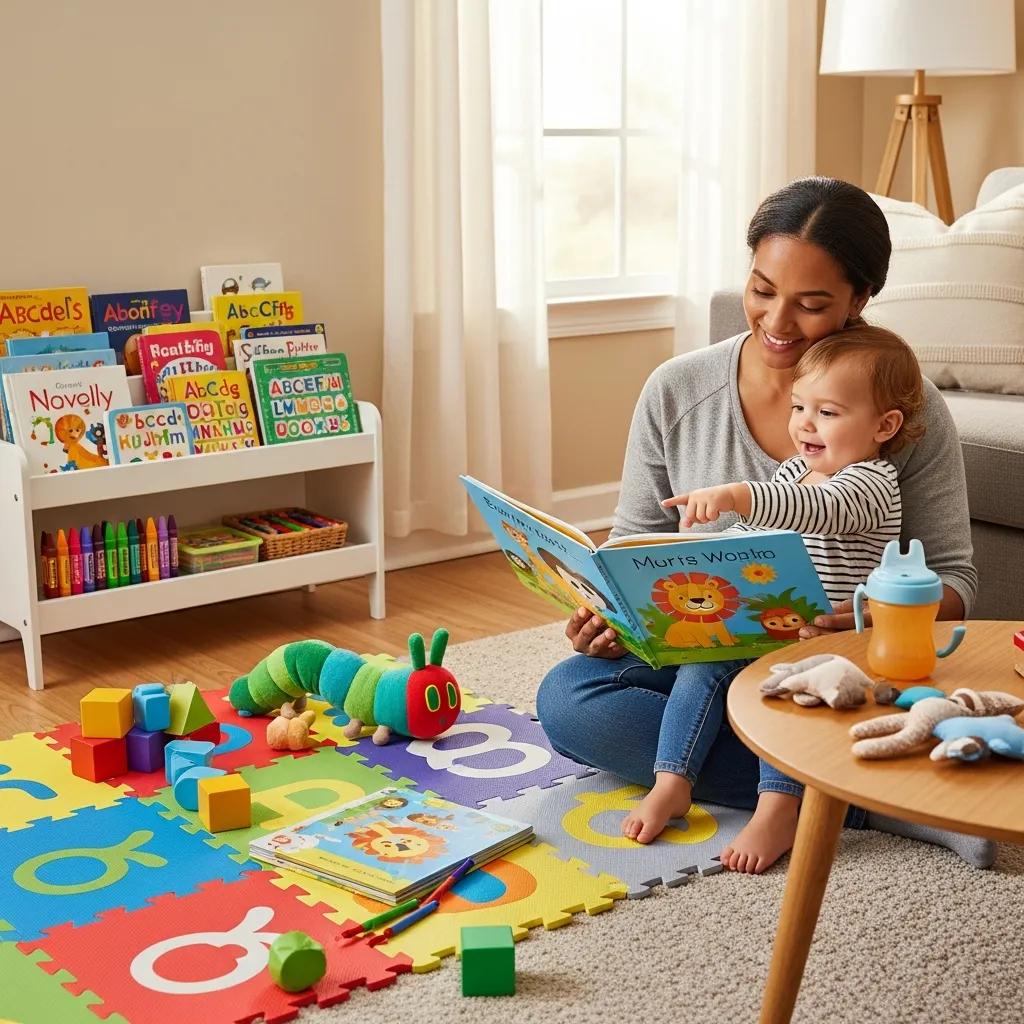
Reading aloud introduces new words and concepts; singing reinforces language patterns and phonetic awareness. Both activities integrate easily into routines and support vocabulary growth.
Which Everyday Practices Foster Early Literacy Skills?
Daily reading routines, encouraging storytelling, and discussing everyday events all build vocabulary and lay a foundation for literacy and academic success.
Frequently Asked Questions
What are some signs that my child is developing language skills appropriately?
Look for the ability to follow simple instructions, a growing vocabulary, and back-and-forth exchanges. By age two, many children combine two words into simple sentences. If your child meets these markers and shows interest in communication, development is likely on track. Regular conversation and play further support progress.
How can I support my child’s language development during playtime?
Use playtime to narrate actions, ask open-ended questions, and encourage imaginative play. Describe what toys do and ask questions such as “What do you think will happen next?” to prompt expression. These interactions expand vocabulary and comprehension while strengthening communication.
Are there specific books that are best for promoting language development in toddlers?
Choose books with repetitive phrases, rhyme, and engaging illustrations. Board books with simple text and interactive elements, like flaps or textures, also capture attention. Classics such as “Brown Bear, Brown Bear, What Do You See?” and “The Very Hungry Caterpillar” are effective choices. Regular reading improves vocabulary and comprehension.
How important is it to limit screen time for language development?
Limiting screen time supports language development by preserving opportunities for face-to-face interaction. The American Academy of Pediatrics recommends that children aged 2 to 5 have no more than one hour of high-quality programming per day. Prioritise reading, play, and conversation, which foster language growth and social skills more effectively than passive screen use.
What role do caregivers play in supporting language development?
Caregivers shape language development through consistent, engaging interactions. They should model language, respond to attempts to communicate, and introduce new words in context. Active listening and responsiveness build skills and confidence in expression.
How can I assess if my child needs professional help with speech development?
Look for clear indicators such as not meeting age-appropriate milestones, limited vocabulary, or difficulty being understood. If your child struggles to communicate needs or participate in conversations, consult a speech-language pathologist. Early intervention can substantially improve outcomes.
Conclusion
Encouraging early language development in toddlers and infants is essential for fostering effective communication and cognitive skills. By engaging in interactive activities, recognizing key milestones, and creating a language-rich environment, parents can significantly enhance their child’s vocabulary and speech abilities. Chroma Early Start offers valuable resources and programs to support this journey, ensuring children thrive in their language acquisition. Discover how our tailored initiatives can help your child succeed by exploring our offerings today.