


BCBA vs RBT Roles in ABA Therapy: Understanding Duties and Supervision for Effective Early Intervention
In Applied Behavior Analysis (ABA) therapy, clearly defined roles for a Board Certified Behavior Analyst (BCBA) and a Registered Behavior Technician (RBT) support effective early intervention. BCBAs design and oversee treatment plans; RBTs deliver those plans under supervision. Below we describe each role, how teams collaborate, and the supervision standards that protect care quality.
What Are the Primary Duties of a Board Certified Behavior Analyst?
A BCBA designs and supervises individualized treatment plans using data-driven methods to monitor progress and adjust interventions. Key duties include assessments, coordinating with other professionals, and ensuring therapy follows best practices.
BCBAs train and supervise RBTs, providing guidance to keep interventions consistent and effective.
Chroma Early Start relies on BCBAs’ clinical expertise to inform evidence-based pediatric therapy programmes.
How Does a BCBA Develop and Oversee ABA Therapy Plans?
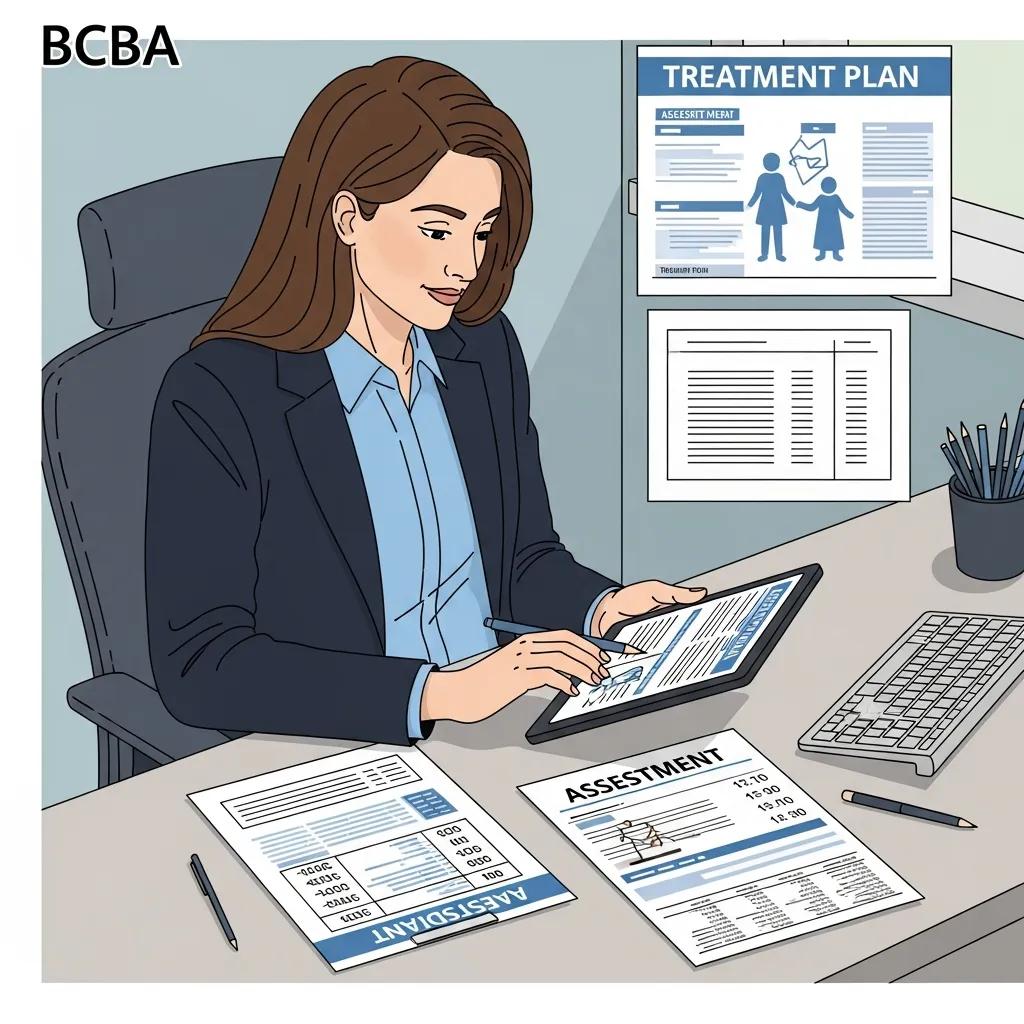
ABA plans begin with a comprehensive assessment—interviews, observations, and standardised measures—to set priorities. The BCBA converts assessment data into a tailored treatment plan with clear goals and specified interventions, then monitors routine data to refine the plan as needed.
What Certification and Expertise Define a BCBA’s Role?
Becoming a BCBA requires a master’s degree in behavior analysis or a related field, supervised practical experience, and passing the BCBA exam. Continuing education keeps practice aligned with current research and standards.
What Responsibilities Does a Registered Behavior Technician Have in ABA Therapy?
Registered Behavior Technicians (RBTs) are frontline providers who implement BCBA-designed treatment plans. Their main duties are delivering direct therapy, collecting progress data, and reporting observations to the supervising BCBA. RBTs are essential to daily intervention delivery.
Their role—especially when serving individuals with autism spectrum disorder—requires thorough training and regular supervision.
RBT Role & Supervision in ABA Service Delivery
Registered Behavior Technicians (RBTs) are the primary paraprofessionals who deliver applied behavior analysis (ABA) services to individuals with autism spectrum disorder (ASD) under supervision of a Board Certified Behavior Analyst (BCBA). Effective training and supervision for RBTs providing ABA services is critical, especially for technicians working with children who exhibit severe behaviors.
Registered behavior technicians’ training experiences for severe problem behavior:
A survey, K Brown, 2023
RBTs must work under a BCBA or Board Certified Assistant Behavior Analyst (BCaBA), who provide direction and clinical oversight throughout therapy to keep interventions effective and ethical.
How Does an RBT Deliver Therapy Under BCBA Supervision?

Therapy by an RBT typically begins with a consultation with the supervising BCBA or BCaBA to review the treatment plan. During sessions, RBTs follow protocols, apply targeted techniques, and record client responses to inform plan updates.
Structured strategies—such as reinforcement and prompting—are applied consistently to support fidelity and measurable progress.
What Training and Certification Are Required for RBTs?
RBT candidates complete a 40-hour training covering core principles of behavior analysis and ethics, then pass the RBT certification exam. Ongoing supervision by a BCBA or BCaBA is required to maintain certification and professional development.
The Behavior Analyst Certification Board (BACB) introduced the RBT credential to standardise the entry-level role for behaviour technicians.
Understanding the RBT Credential in ABA Therapy
In 2014, the Behavior Analyst Certification Board (BACB®) initiated a program for credentialing behavior technicians. The new credential, Registered Behavior Technician™ (RBT®), is for providers of behavioral intervention to a wide range of individuals with mental health needs and developmental delays, including individuals diagnosed with autism spectrum disorder (ASD). The RBT® would represent the entry-level position within the range of the BACB® credentials.
Concerns about the Registered Behavior Technician™ in relation to effective autism intervention, JB Leaf, 2017
How Do BCBA and RBT Roles Collaborate Within the ABA Therapy Team?
Collaboration is central: BCBAs set clinical direction and oversight while RBTs implement plans and collect the data that guide decisions. This teamwork creates an outcome-focused environment for clients.
What Is the Structure of ABA Therapy Teams at Chroma Early Start?
At Chroma Early Start, teams are organised to promote communication and coordinated care. Teams usually include BCBAs, RBTs, and allied specialists—such as speech and occupational therapists—to provide child-centred support.
Regular meetings review progress, share observations, and update treatment plans so all members stay aligned on goals for the child’s development.
How Does Supervision Ensure Quality and Compliance in Therapy?
Supervision is a core quality-control mechanism. BCBAs give regular feedback and coaching to RBTs to refine skills and improve delivery.
Quality assurance—routine data reviews and performance evaluations—helps maintain high standards and continuous improvement across the team.
What Are the Supervision and Certification Requirements for ABA Therapy Providers?
Supervision and certification ensure practitioners meet professional and ethical standards. BCBAs must follow strict ethical guidelines and maintain certification through continuing education and supervised practice.
RBTs are required to work under BCBA or BCaBA supervision, which supports consistent implementation and preserves service integrity.
How Does BCBA Supervision Support RBT Practice?
BCBA supervision provides a structured framework for professional growth and ethical practice. BCBAs mentor RBTs, share best practices, and help address clinical challenges.
Supervisory training and curricula prepare BCBAs for effective oversight, making supervision fundamental to service delivery.
BCBA Supervision of RBTs: Training & Practices
Supervising other behavior change agents is commonly a primary responsibility for Board Certified Behavior Analysts®(BCBAs®). The Supervision Training Clinical Framework (2.0) produced by the Behavior Analyst Certification Board®(BACB®) outlines the supervision content that all BCBAs are supposed to be trained in. The primary purpose of this study was to analyze the extent to which Registered Behavior Technicians®(RBTs®) reported supervision experiences aligned with the expectations outlined in the Supervision Training Clinical Framework (2.0) as a way to gauge common practices for supervising RBTs.
A Survey of RBT Supervision Experience, C Morris, 2025
This mentorship builds RBTs’ clinical skills and confidence, while regular supervision confirms interventions are applied correctly and ethically.
What Recent Updates Affect Certification Standards and Early Intervention?
Recent updates emphasise continuing professional development and ethical practice, reflecting the field’s growth and the need for practitioners to stay current with evidence and methods.
BCBAs and RBTs are encouraged to pursue ongoing training to remain equipped to deliver effective early intervention services and support better client outcomes.
Frequently Asked Questions
What is the difference between BCBA and RBT in terms of education and training?
The primary difference is education and supervised experience. A BCBA needs a master’s degree, supervised practical experience, and must pass the BCBA exam. An RBT completes a 40-hour training programme and the RBT exam. This difference matches each role’s responsibilities and scope of practice.
How often do BCBAs need to renew their certification?
BCBAs renew certification every two years and must complete a set number of continuing education units (CEUs) to stay current with research, techniques, and ethics.
What role do parents play in the ABA therapy process?
Parents are active partners: they join goal-setting, are encouraged to reinforce skills at home, and maintain clear communication with the therapy team—including BCBAs and RBTs—to support consistent intervention.
Can RBTs work independently without supervision?
No. RBTs must work under the direct supervision of a BCBA or BCaBA. Supervision ensures correct implementation of treatment plans and supports ongoing professional development.
What types of clients benefit from ABA therapy?
ABA benefits many clients, particularly those with autism spectrum disorder (ASD), developmental delays, behavioural challenges, and some mental health needs. Interventions are individualised to promote measurable behavioural improvements and skill development.
How do BCBAs ensure ethical practices in ABA therapy?
BCBAs follow BACB guidelines to ensure informed consent, confidentiality, and interventions that prioritise clients’ best interests. Regular supervision and training help teams remain current on ethics.
Conclusion
Clear distinctions between BCBAs and RBTs—and robust supervision—are essential for effective ABA therapy in early intervention. Understanding these roles clarifies how teams work together to meet developmental goals. To learn more about ABA therapy and how it can support your child, explore our resources or contact us for personalised guidance.