


Tracking Progress and Data Collection in ABA Therapy: Effective Methods and Tools for Measuring Child Development
Tracking progress in Applied Behavior Analysis (ABA) therapy is fundamental for assessing a child’s development and tailoring interventions. This article outlines methods and tools to collect and analyze ABA data, so therapists and parents can monitor progress accurately. Effective data collection enables individualized support aligned to each child’s needs and directly affects therapy outcomes and overall development. The guide covers core ABA data collection methods, measurement approaches, supporting tools, and how parents can read progress reports to support development.
What Are the Key ABA Data Collection Methods Used at Chroma Early Start?
At Chroma Early Start, several ABA data collection methods are used to track each child’s progress comprehensively. These include daily data summaries, naturalistic observation, and structured data sheets that together map developmental goals. Therapists use these techniques to collect meaningful data that informs intervention planning and clinical decisions.
How Do Direct Observation and Session Notes Support Accurate Data Collection?

Direct observation and session notes provide essential, real‑time records of a child’s behavior. Therapists document specific instances of progress or challenge, supporting accurate measurement and clinical judgment. These records improve communication with parents and help coordinate consistent strategies across settings.
What Role Do Structured Data Sheets Play in Tracking Behavioral Progress?
Structured data sheets standardize how behavior is recorded and make trend analysis practical. Therapists log target behaviors and their frequency, enabling clear comparisons over time. Consistent use of these sheets helps teams decide when to adjust treatment plans and evaluate intervention effectiveness.
How Is ABA Therapy Progress Measured and Monitored Effectively?
Measuring and monitoring ABA progress relies on systematic techniques that yield reliable outcomes. The approach emphasizes data‑driven tracking, positive reinforcement, and individualized clinical roadmaps for each child. These methods keep interventions focused on the child’s specific developmental goals.
Which Progress Monitoring Techniques Provide Reliable Outcome Measurement?
Reliable outcome measurement comes from regular data collection and the use of benchmarks. Techniques such as frequency counts, duration recording, and interval recording quantify behavior so clinicians can track change. These measures identify areas needing additional focus and guide clinical adjustments.
How Does Systematic Data Review Enhance Individualized Learning Plans?
Regular, systematic data review produces actionable insights for individualized learning plans. By analysing results routinely, therapists tailor interventions to each child’s needs. This keeps therapy adaptive and responsive as the child progresses.
What Tools and Technologies Facilitate ABA Data Tracking for Parents and Therapists?
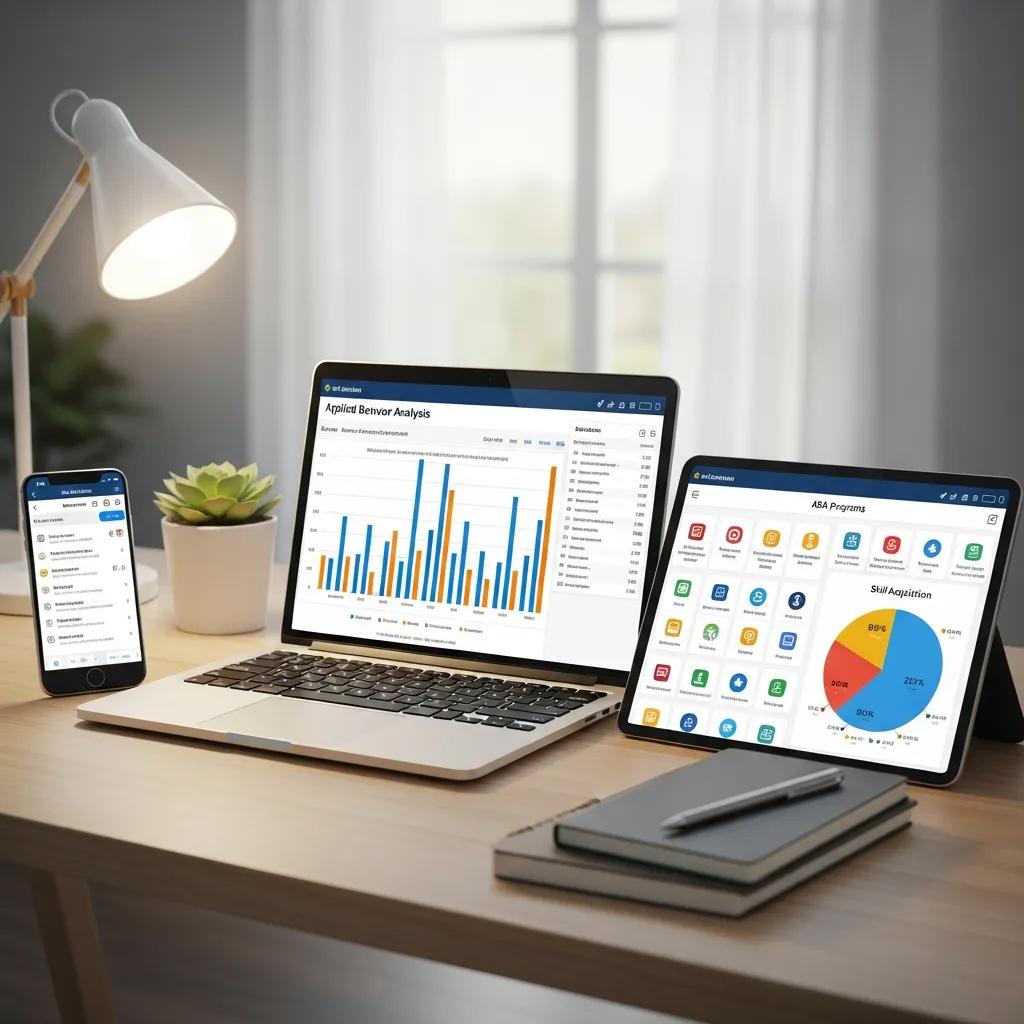
A range of tools and technologies supports ABA data tracking for both parents and therapists. Digital platforms improve data accuracy and streamline communication across the care team. When used appropriately, technology reduces administrative burden and strengthens clinical decision‑making.
Which Digital Software Solutions Improve ABA Data Collection Accuracy?
Modern digital solutions offer intuitive interfaces and integration with existing systems. They let therapists enter data quickly, reduce error risk, and deliver real‑time analytics to inform decisions. These features help teams respond sooner to meaningful trends in a child’s progress.
How Does Parent Engagement Integrate with ABA Progress Reporting Tools?
Parent engagement is central to effective ABA care, and reporting tools make collaboration practical. Providing parents with access to clear progress reports and offering training increases consistency between home and therapy settings. This partnership supports better outcomes for the child.
How Can Parents Interpret ABA Progress Reports to Support Their Child’s Development?
Clear interpretation of ABA progress reports enables parents to support their child’s learning. Reports summarise key measures of development and highlight areas that need attention. Understanding these results helps parents take an active, informed role alongside therapists.
What Key Metrics Should Parents Understand in ABA Outcome Measurement?
Parents should focus on metrics such as the frequency of target behaviors, measures of intervention effectiveness, and overall progress toward stated goals. Knowing these figures helps parents and clinicians align on next steps and set realistic expectations.
How Does Transparent Reporting Foster Collaborative Therapy Success?
Transparent reporting keeps parents and therapists aligned and builds trust. When reports are clear and comprehensive, parents can participate more fully in planning and carryover, which strengthens consistency and improves therapy outcomes.
Integrating these tools into ABA practice improves the accuracy and efficiency of progress tracking, helping teams deliver more timely and appropriate support.
Frequently Asked Questions
What is the importance of data collection in ABA therapy?
Systematic data collection provides objective evidence of a child’s progress and the impact of interventions. Therapists use this information to detect patterns, evaluate specific strategies, and adjust treatment when needed. This evidence‑based process improves care and helps tailor interventions to each child’s needs.
How can parents actively participate in the data collection process?
Parents can participate by maintaining regular communication with therapists and noting observations at home. Sharing those observations during sessions and using the tools therapists provide creates a fuller picture of the child’s behavior and reinforces therapy strategies across environments.
What challenges might therapists face in data collection for ABA therapy?
Common challenges include limited time, variable behavior across settings, and inconsistent data entry. Standardising methods across environments can be difficult. Addressing these issues requires training, clear protocols, and supervision to maintain data quality.
How can technology improve the efficiency of ABA data tracking?
Technology speeds ABA data tracking by automating entry, offering real‑time analytics, and easing communication between parents and therapists. Digital tools reduce manual errors and provide faster access to reports, allowing clinicians to focus more on delivering interventions.
What are some common misconceptions about ABA data collection?
Some assume data collection is overly complex or too time‑consuming. In practice, effective methods can integrate into daily routines. Another misconception is that data collection is only the therapist’s responsibility; parent input is essential for a complete view. Clarifying these points encourages shared responsibility and better outcomes.
How often should data be reviewed in ABA therapy?
Data should be reviewed regularly—weekly or biweekly when possible—to make timely adjustments. Frequent review highlights trends, measures intervention impact, and supports an adaptive treatment plan that meets the child’s changing needs.
Conclusion
Consistent progress tracking is essential to deliver tailored support that meets each child’s developmental needs. Using effective data collection methods and tools clarifies growth and identifies areas for change. Parents play a vital role, and understanding progress reports helps them partner effectively with clinicians. Discover how our resources can further enhance your understanding and support of ABA therapy today.