


Intro to AAC for Families: Understanding and Using Augmentative Communication Tools for Child Development
Augmentative and Alternative Communication (AAC) supports children who have difficulty with spoken language. AAC enables expression, strengthens social interaction, and opens learning opportunities. This article outlines AAC device types, evidence-based benefits for communication and development, and practical strategies families can use at home. Many parents struggle to identify effective supports for their child’s communication, but understanding “AAC” offers a clear pathway to improved interactions and developmental outcomes. We also summarise resources available to families in Metro Atlanta.
What Are AAC Devices and How Do They Support Early Communication?
AAC devices help children express themselves when spoken language is limited. They range from low‑tech picture boards to high‑tech speech‑generating devices. By offering alternative ways to communicate, AAC empowers children to convey needs, thoughts and feelings, which supports social and emotional development. Consistent AAC use often improves interactions with peers and caregivers.
Types of AAC Devices for Children: From Picture Boards to Speech-Generating Tools
AAC devices vary to meet each child’s needs. Picture boards are common low‑tech tools that let children point to images to communicate. Speech‑generating devices (SGDs) produce spoken words when a child selects symbols or types. Devices can be customised to a child’s abilities and preferences, making them versatile supports for communication.
How AAC Devices Enhance Communication Development in Young Children
Integrating AAC into daily routines produces measurable gains in communication. AAC helps children express thoughts and feelings more clearly, which supports language development and social engagement. Research indicates that children who use AAC often show increased confidence in communicating, which supports more meaningful peer relationships.
What Are the Benefits of AAC for Children’s Communication and Development?

AAC offers several important benefits: it can improve speech and language outcomes, strengthen social connections, and better prepare children for school. Providing a reliable method to communicate reduces frustration and behaviours tied to communication breakdowns. AAC also increases a child’s ability to participate in group activities and fosters a sense of belonging.
Improving Speech and Language Outcomes Through AAC Strategies
Evidence shows AAC strategies—such as modelling language with devices, encouraging peer interactions, and embedding AAC in play—help children build vocabulary and comprehension. Consistent use supports the language skills essential for effective communication.
Building Confidence and Social Skills with AAC Use
AAC use often improves confidence and social skills. Group activities that include AAC provide safe opportunities to practise communication. Positive reinforcement, such as praising a child’s successful use of AAC, encourages further attempts. As confidence grows, children tend to engage more with peers.
How Can Families Effectively Use AAC at Home?
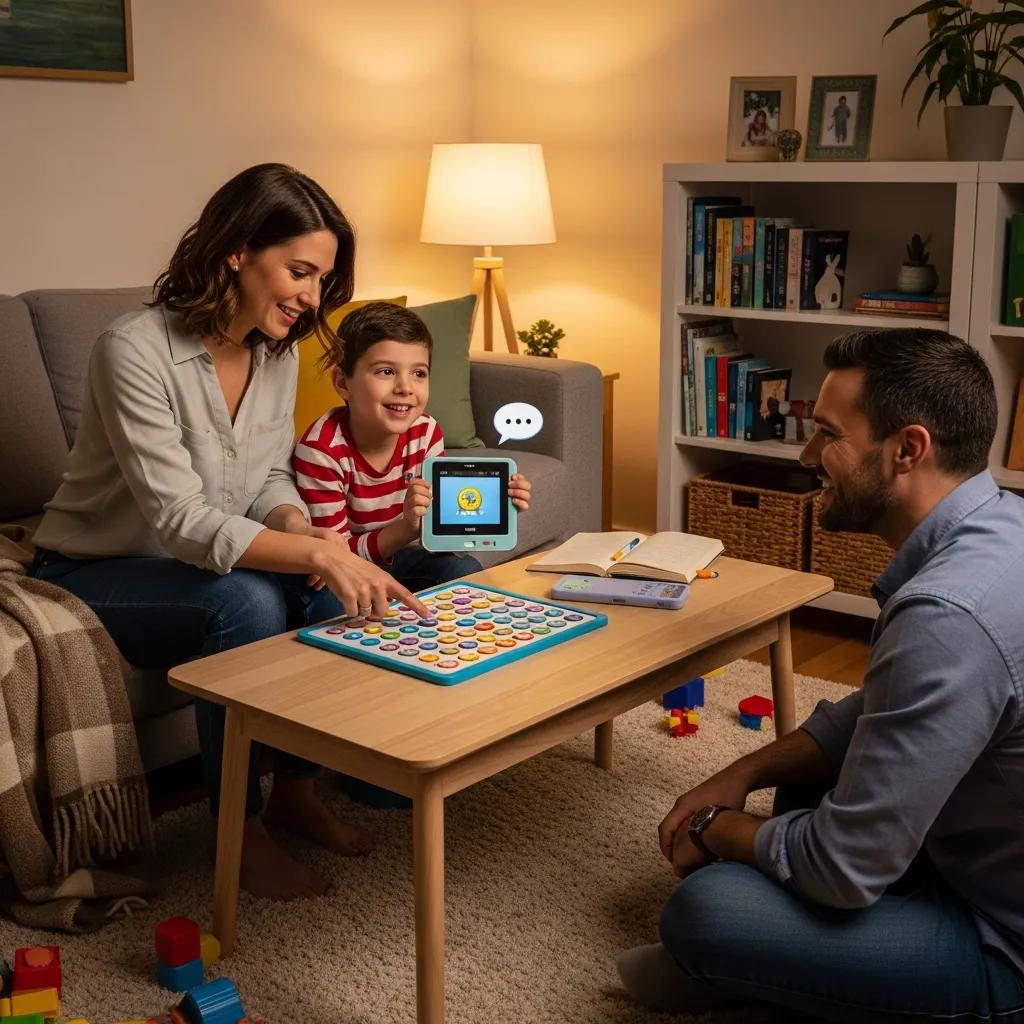
Families are central to AAC success. Create a consistent, supportive environment by modelling AAC in conversations, integrating devices into daily routines, and inviting the child to participate in family activities. These practices increase comfort and competence with AAC tools.
Step-by-Step AAC Home Use Tips for Parents
- Establish Routines : Incorporate AAC into daily routines, such as mealtime or playtime, to create consistent opportunities for communication.
- Model Use During Conversations : Demonstrate how to use AAC tools during conversations, showing children how to express their needs and thoughts.
- Encourage Participation : Invite children to use AAC during family interactions, reinforcing their communication efforts and building confidence.
Integrating AAC into Daily Routines and Family Interactions
Integrate AAC through practical steps: use visual supports like communication boards or apps, involve family members in using the tools, and make AAC part of everyday activities. Regular use helps children develop communication in a natural, supportive context.
What Family AAC Strategies Support Consistent Communication Progress?
To maintain steady progress, families should adopt targeted strategies that support AAC use. Collaborate with therapists and clinicians for clinical guidance, and monitor outcomes at home to track progress and adjust approaches as needed.
Training and Collaboration with Therapists and Clinicians
Professional training and collaboration are essential. Attend workshops or one‑to‑one coaching to learn evidence‑based AAC methods. These partnerships equip families with the skills to support their child’s communication effectively.
Monitoring and Measuring AAC Success at Home
Track progress systematically. Keep simple logs of communication attempts and successes, and review findings with therapists during regular meetings to make informed adjustments to AAC strategies.
Where Can Metro Atlanta Families Access AAC Programs and Support?
Metro Atlanta families can access local AAC programs and resources that provide training, therapy and community support for children with communication challenges.
Chroma Early Start’s AAC Programs and Resources
Chroma Early Start provides AAC programs focused on improving young children’s communication. Services include therapy and parent training to help families implement AAC effectively.
Scheduling Tours and Intake: How to Get Started with AAC Support
To begin, families can request a consultation at Chroma Early Start. A visit and consultation allow families to evaluate available resources and discuss appropriate support for their child’s communication needs.
Frequently Asked Questions
What age is appropriate to start using AAC devices with children?
There is no fixed age to start AAC; it can benefit children as young as 18 months. Early intervention often strengthens communication and social skills. Assess each child’s needs and begin AAC when it helps them express needs and feelings.
How can I choose the right AAC device for my child?
Choosing the right AAC device depends on the child’s communication needs, preferences and abilities. Consult a speech‑language pathologist for assessment and recommendations. Consider motor skills, cognitive level and preferred modes of expression, and involve the child when possible.
Can AAC devices be used in conjunction with speech therapy?
Yes. AAC complements speech therapy by providing alternative communication while verbal skills develop. Speech therapists commonly integrate AAC into sessions to support language growth and expressive skill development.
What are some common misconceptions about AAC?
A common misconception is that AAC will prevent speech; evidence shows AAC can support and enhance speech development by reducing communication barriers. Another myth is that AAC is only for non‑verbal children; it also benefits those with limited verbal skills. AAC is a flexible tool for many communication challenges.
How can I encourage my child to use AAC consistently?
Promote consistent AAC use by keeping the device available and integrating it into routine activities. Model its use, provide positive reinforcement for attempts, and choose games or stories that invite communication. Encourage family members to use AAC to reinforce a collaborative environment.
Are there any financial assistance programs for AAC devices?
Financial assistance may be available through Medicaid, special education services, and non‑profit grants. Ask your speech therapist or local AAC support groups for guidance on resources and application steps.
How can I find support groups for families using AAC?
Find support groups through community centres, hospitals, schools and online forums. Organisations such as the American Speech‑Language‑Hearing Association (ASHA) and local AAC advocacy groups often list networks. Joining these communities provides practical advice and peer support.
Conclusion
Using Augmentative and Alternative Communication (AAC) can strengthen children’s communication skills and support social and emotional development. Integrating AAC into daily routines creates a supportive environment that empowers children to express themselves. Access local resources and programs, such as those at Chroma Early Start, to further support this work and learn how AAC can improve your child’s communication.